
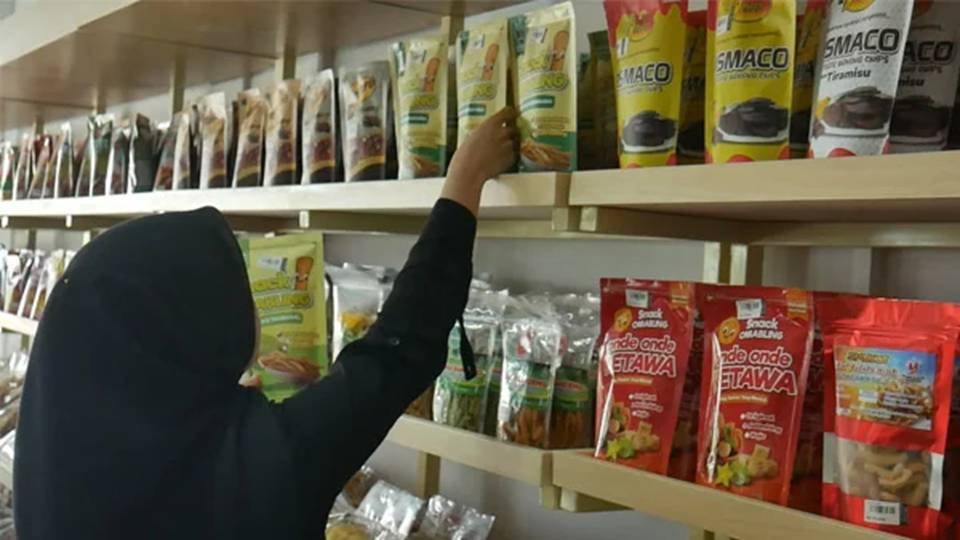
WIN Media, Jakarta, 22/3/2026 – Eid al-Fitr has officially passed, but the economic pulse in the souvenir and gift sector hasn’t faded. The phenomenon dubbed the ‘second season’ of Eid occurs because the tradition of visiting relatives, colleagues, and business associates continues, even up to H+10 of Eid. As a result, souvenir sellers in homecoming destination cities remain flooded with orders, as if the Eid celebration hasn’t truly ended.
In Yogyakarta, for instance, souvenir centers like Jalan Malioboro and the Kotagede craft center are still crowded with buyers. Similar situations occur in Bandung (factory outlets), Solo (batik), and Bali (handicrafts). MSMEs actors report that new demand actually comes from local residents who have guests from out of town or those who will visit colleagues’ homes.
Purnama Dhedhy Styawan, an Economics and Public Policy Expert in Jakarta, explains that this ‘second season’ is an annual phenomenon with significant economic impact, especially for local MSMEs.
“Eid doesn’t stop on the day itself. The tradition of social visits in Indonesia can last up to two weeks after. This is what I call the ‘second season’ of the Eid economy. People who receive guests will buy local specialties to serve or give as gifts when they make return visits. This cycle keeps money circulating at a high rate in the MSMEs sector,” said Dhedhy.
According to Dhedhy, this phenomenon is driven by several factors:
First, the tradition of ‘return’ visits. After receiving visits from relatives or friends on Eid day, people usually feel the need to visit in return. “On these return visits, they don’t come empty-handed. They bring souvenirs from their region. This creates sustained demand,” Dhedhy explained.
Second, continued high public mobility. Many migrants extend their leave or work remotely from their hometowns. “They’re still in their villages until early April. While there, they continue shopping for souvenirs to bring back to their overseas cities or to give to neighbors in their boarding houses,” he added.
Third, business meetings and reunions. Office Halal bi Halal events, alumni reunions, and community meetings are typically scheduled after Eid. “At these events, it’s almost certain there will be consumption of specialty foods or gift-giving. MSMEs providing parcels or cookies are still flooded with orders,” said Dhedhy.
Data from the Indonesian MSMEs Association records that souvenir sales turnover in the period from H+3 to H+10 of Eid still reaches 60-70 percent of peak turnover at H-7 of Eid. This shows that economic activity remains vibrant longer than expected.
Dhedhy outlines strategies that souvenir MSMEs use to capitalize on this ‘second season’:
- Maintaining stock. Many MSMEs don’t immediately stop production after Eid. They continue producing on a smaller scale to anticipate continued demand.
- Focusing on durable products. If fresh cakes start slowing down, MSMEs shift to dry products like chips, batik, or handicrafts that don’t spoil easily and can serve as gifts.
- Promotions themed ‘Souvenirs for Guests’. Creative MSMEs change their promotional messages. If before Eid promotions were themed ‘for family back home’, after Eid they become ‘for special guests’ or ‘gifts for return visits’.
- Collaboration with shipping services. Many MSMEs partner with expedition services to offer souvenir shipping packages to other cities, serving migrants who want to send hampers to their business associates.
Dhedhy also highlights the positive impact of this phenomenon on ecology and MSMEs sustainability. “With an extended shopping season, MSMEs don’t need to rush into massive clearance sales that could trigger overproduction and waste. They can manage production more efficiently and sustainably,” he explained.
He gives an example: batik MSMEs in Solo and Yogyakarta use this moment to accept custom orders with special designs for company Halal bi Halal events. “This increases product added value and reduces the risk of unsold mass production,” Dhedhy added.
Dhedhy is optimistic that this ‘second season’ phenomenon will strengthen in coming years. “Our society is increasingly aware that social visits aren’t enough in just one day. This is extraordinary social capital. And our MSMEs are getting smarter at reading these opportunities. Going forward, the Eid economic pattern will no longer be hit-and-run, but sustained recovery,” he concluded.
With souvenir sales still thriving post-Eid, it is hoped that local MSMEs can reap longer economic blessings and build stronger business foundations.
Fenomena ‘Second Season’ Lebaran: Kunjungan ke Sanak Saudara Masih Berlanjut, UMKM Oleh-oleh Tetap Bergairah
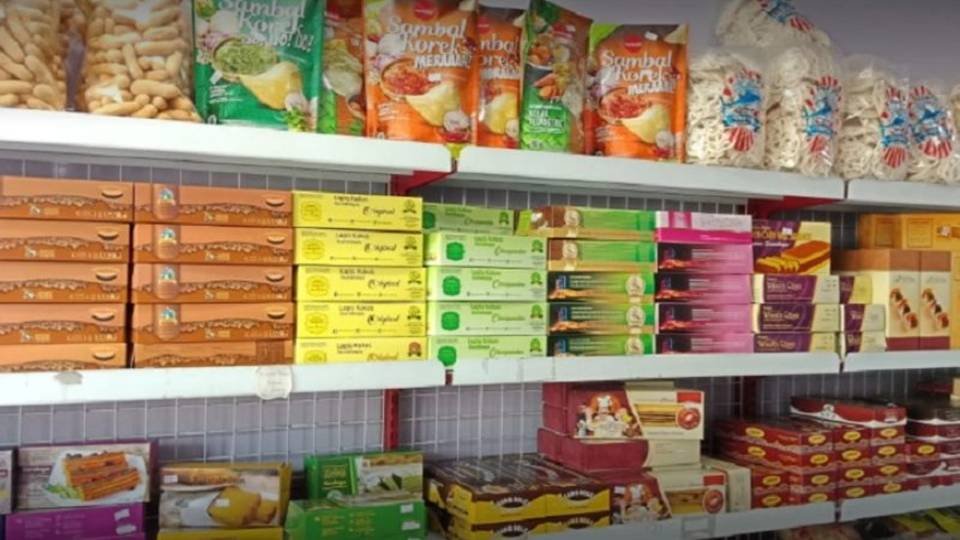
WIN Media, Jakarta, 22/3/2026 – Lebaran secara resmi telah berlalu, namun denyut ekonomi di sektor oleh-oleh dan suvenir tak kunjung padam. Fenomena yang dijuluki sebagai ‘second season’ Lebaran ini terjadi karena tradisi silaturahmi ke sanak saudara, rekan kerja, dan kolega bisnis masih terus berlangsung, bahkan hingga H+10 Lebaran. Akibatnya, para penjual oleh-oleh dan suvenir di kota-kota tujuan mudik tetap banjir order, seolah perayaan Idul Fitri belum benar-benar usai.
Di Yogyakarta, misalnya, kawasan sentra oleh-oleh seperti Jalan Malioboro dan pusat kerajinan kotagede masih dipadati pembeli. Hal serupa terjadi di Bandung (factory outlet), Solo (batik), dan Bali (kerajinan tangan). Para pelaku UMKM mengaku permintaan baru justru muncul dari warga lokal yang kedatangan tamu dari luar kota atau mereka yang akan berkunjung ke rumah kolega.
Purnama Dhedhy Styawan, Pakar Ekonomi dan Kebijakan Publik di Jakarta, menjelaskan bahwa ‘second season’ ini adalah fenomena tahunan yang memiliki dampak ekonomi signifikan, terutama bagi UMKM lokal.
“Lebaran tidak berhenti di hari H. Tradisi silaturahmi di Indonesia bisa berlangsung hingga dua minggu setelahnya. Inilah yang saya sebut sebagai ‘second season’ ekonomi Lebaran. Orang yang kedatangan tamu akan membeli oleh-oleh khas kota mereka untuk dihidangkan atau diberikan sebagai buah tangan saat mereka balik berkunjung. Siklus ini menjaga perputaran uang tetap tinggi di sektor UMKM,” ujar Dhedhy.
Menurut Dhedhy, fenomena ini didorong oleh beberapa faktor:
Pertama, tradisi ‘balas’ berkunjung. Setelah menerima kunjungan dari saudara atau teman di hari raya, biasanya masyarakat akan merasa perlu untuk mengunjungi balik. “Dalam kunjungan balasan ini, mereka tidak datang dengan tangan kosong. Mereka membawa oleh-oleh khas daerahnya. Ini menciptakan permintaan berkelanjutan,” jelas Dhedhy.
Kedua, mobilitas masyarakat yang masih tinggi. Banyak perantau yang memperpanjang cuti atau bekerja secara remote dari kampung halaman. “Mereka masih di kampung hingga awal April. Selama di sana, mereka tetap berbelanja oleh-oleh untuk dibawa kembali ke kota perantauan atau untuk diberikan ke tetangga di kos,” tambahnya.
Ketiga, pertemuan bisnis dan reunian. Momen Halal bi Halal kantor, reuni alumni, dan pertemuan komunitas biasanya dijadwalkan setelah Lebaran. “Dalam acara-acara ini, hampir pasti ada konsumsi makanan khas atau pemberian souvenir. UMKM oleh-oleh yang menyediakan parcel atau kue kering masih kebanjiran pesanan,” ujar Dhedhy.
Data dari Asosiasi UMKM Indonesia mencatat, omzet penjualan oleh-oleh pada periode H+3 hingga H+10 Lebaran masih mencapai 60-70 persen dari omzet puncak di H-7 Lebaran. Ini menunjukkan bahwa geliat ekonomi tetap terjaga lebih lama dari perkiraan.
Dhedhy memaparkan strategi yang dilakukan UMKM oleh-oleh untuk memanfaatkan ‘second season’ ini:
- Stok tetap dijaga. Banyak UMKM yang tidak langsung menghentikan produksi setelah Lebaran. Mereka tetap memproduksi dalam skala lebih kecil untuk mengantisipasi permintaan lanjutan.
- Fokus pada produk tahan lama. Jika kue basah mulai sepi, UMKM beralih ke produk kering seperti keripik, batik, atau kerajinan tangan yang tidak mudah basi dan bisa dijadikan buah tangan.
- Promosi bertema ‘Oleh-oleh untuk Tamu’. UMKM kreatif mengubah pesan promosi mereka. Jika sebelum Lebaran promosi bertema ‘untuk keluarga di kampung’, setelah Lebaran menjadi ‘untuk tamu istimewa’ atau ‘buah tangan kunjungan balasan’.
- Kerja sama dengan jasa pengiriman. Banyak UMKM yang menggandeng ekspedisi untuk menawarkan paket kirim oleh-oleh ke luar kota, melayani para perantau yang ingin mengirimkan hampers ke rekan bisnisnya.
Dhedhy juga menyoroti dampak positif fenomena ini terhadap ekologi dan keberlanjutan UMKM. “Dengan perpanjangan musim belanja, UMKM tidak perlu terburu-buru melakukan obral besar-besaran yang bisa memicu produksi berlebihan dan limbah. Mereka bisa mengatur produksi lebih efisien dan berkelanjutan,” jelasnya.
Ia mencontohkan, UMKM batik di Solo dan Yogyakarta memanfaatkan momen ini untuk menerima pesanan custom dengan desain khusus untuk acara Halal bi Halal perusahaan. “Ini meningkatkan nilai tambah produk dan mengurangi risiko produksi massal yang tidak laku,” tambah Dhedhy.
Dhedhy optimistis fenomena ‘second season’ ini akan semakin kuat di tahun-tahun mendatang. “Masyarakat kita semakin sadar bahwa silaturahmi tidak cukup sehari. Ini adalah modal sosial yang luar biasa. Dan UMKM kita semakin pintar membaca peluang ini. Ke depan, pola ekonomi Lebaran tidak lagi hit-and-run, tapi sustained recovery,” pungkasnya.
Dengan masih bergairahnya penjualan oleh-oleh pasca Lebaran, diharapkan UMKM lokal dapat meraih berkah ekonomi yang lebih panjang dan membangun fondasi bisnis yang lebih kokoh.