

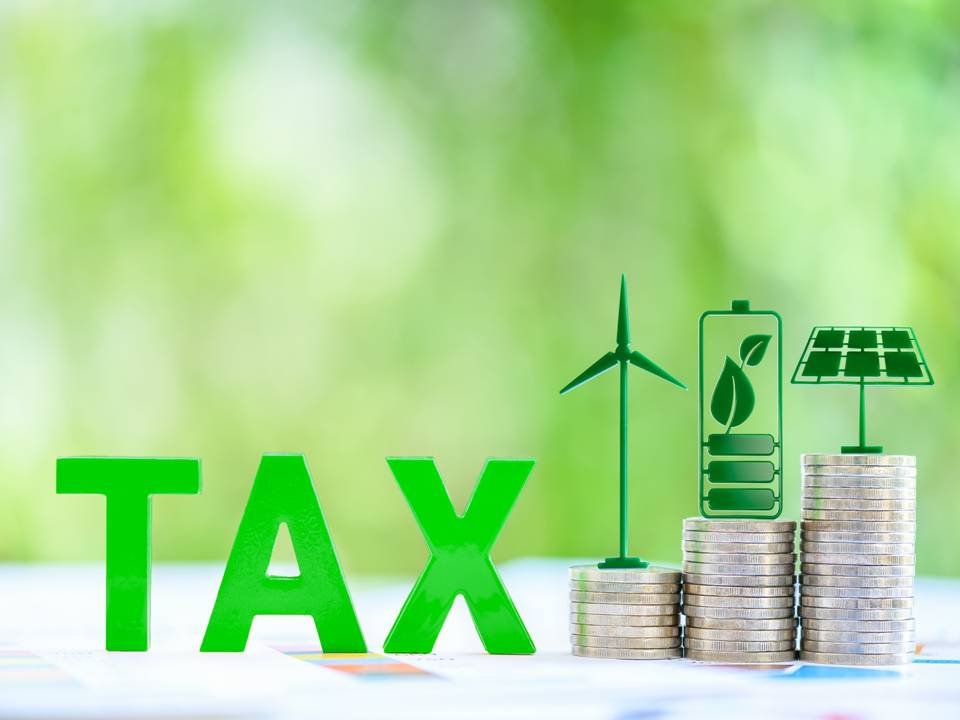
WIN Media, Jakarta, 4/2/2026 – The super-deduction tax incentive policy, which allows for greater tax deductions for companies investing in green technology, has been in place for several years. However, the critical question remains: to what extent has this fiscal stimulus truly driven the wave of sustainable investment needed for a green economic transition?
Early data shows increased interest, particularly from large corporations. Yet, observers and business actors assess that its effectiveness is still hampered by administrative complexity and suboptimal reach to the MSME sector.
Purnama Dhedhy Styawan, an Economics and Public Policy Expert in Jakarta, provides a deep analysis. “The super-deduction incentive is a very strong policy signal. It lowers the cost of capital for green investments, making projects like rooftop solar PV, water recycling systems, or operational electric vehicles more financially viable in theory,” he stated.
“However, its effectiveness is not measured merely by budget absorption. The true indicator is whether this incentive creates additionality—that is, investments that are genuinely new and would not have occurred without the incentive—or if it merely becomes a ‘reward’ for companies already planning to invest,” Dhedhy continued.
Business Response and Challenges
Some business groups claim to have benefited. “This incentive accelerated our decision to replace our entire forklift fleet with electric ones and install energy-saving sensors in the factory. The ROI becomes much more attractive,” revealed Budi Santoso, Operations Director of a manufacturing company in Karawang.
On the other hand, many MSMEs and green startups complain of obstacles. “The application and verification process is complicated. We need a specialized tax consultant, the cost of which actually reduces the benefit of the incentive for our business, which is not yet large-scale,” lamented Sari Dewi, founder of an organic waste processing startup.
Dhedhy confirms that this is a major weak point. “Complexity becomes a barrier to entry. If the regulations are too convoluted, the incentive will only be enjoyed by large companies with adequate legal and tax teams. Meanwhile, acceleration of innovation often comes from MSMEs and startups,” he explained.
Evaluation and Recommendations
To increase effectiveness, Dhedhy recommends several steps:
- Simplify Administration: Create an integrated digital platform for applications with easier and more transparent processes.
- Expand the Technology List: Periodically review and add to the catalog of eligible green technologies, including nature-based solutions and resource-efficiency software.
- Differentiate Rates: Consider higher super-deduction rates for MSMEs or for investments in green technologies still in the early commercial development stage (valley of death).
- Combine with Non-Fiscal Incentives: Tax incentives must be combined with licensing ease, access to green financing schemes, and technical support.
“Fiscal policy is only one tool. The most important things are long-term consistency and predictability. The business world needs to be confident that the government’s commitment to a green economy does not change with every ministerial shift. Only then will massive investment flow,” Dhedhy emphasized.
Thus, the super-deduction incentive shows potential but requires refinement to ensure it is not merely a good policy on paper, but truly becomes a catalyst for inclusive and transformative green investment.
Insentif Pajak Super Deduction untuk Teknologi Hijau: Seberapa Efektif Tingkatkan Investasi?
WIN Media, Jakarta, 4/2/2026 – Kebijakan insentif pajak super deduction, yang memungkinkan pengurangan beban pajak lebih besar bagi perusahaan yang berinvestasi pada teknologi hijau, telah berjalan beberapa tahun. Namun, pertanyaan kritisnya tetap: sejauh mana stimulus fiskal ini benar-benar mendorong gelombang investasi berkelanjutan yang dibutuhkan untuk transisi ekonomi hijau?
Data awal menunjukkan peningkatan minat, terutama dari korporasi besar. Namun, para pengamat dan pelaku usaha menilai efektivitasnya masih terhalang oleh kompleksitas administrasi dan jangkauan yang belum maksimal ke sektor UMKM.
Purnama Dhedhy Styawan, Pakar Ekonomi dan Kebijakan Publik di Jakarta, memberikan analisis mendalam. “Insentif super deduction adalah sinyal kebijakan yang sangat kuat. Ia menurunkan cost of capital untuk investasi hijau, sehingga secara teori membuat proyek seperti PLTS atap, sistem daur ulang air, atau kendaraan listrik operasional menjadi lebih layak secara finansial,” ujarnya.
“Namun, efektivitasnya tidak diukur dari sekedar penyerapan anggaran. Indikator sesungguhnya adalah apakah insentif ini menciptakan additionality—yakni investasi yang benar-benar baru dan tidak akan terjadi tanpa insentif—atau hanya menjadi ‘hadiah’ bagi perusahaan yang sudah berencana berinvestasi,” lanjut Dhedhy.
Respons Dunia Usaha dan Tantangan
Beberapa kelompok usaha mengaku terbantu. “Insentif ini mempercepat keputusan kami untuk mengganti seluruh armada forklift dengan tenaga listrik dan memasang sensor penghemat energi di pabrik. ROI-nya menjadi jauh lebih menarik,” ungkap Budi Santoso, Direktur Operasi sebuah manufaktur di Karawang.
Di sisi lain, banyak UMKM dan startup hijau mengeluhkan hambatan. “Proses pengajuan dan pembuktiannya rumit. Kami butuh konsultan pajak khusus, yang biayanya justru mengurangi manfaat insentif bagi usaha kami yang skalanya belum besar,” keluh Sari Dewi, founder startup pengolahan limbah organik.
Dhedhy mengonfirmasi bahwa hal ini adalah titik lemah utama. “Kompleksitas menjadi barrier to entry. Jika aturannya terlalu berbelit, insentif hanya akan dinikmati oleh perusahaan besar yang memiliki tim hukum dan pajak yang mumpuni. Padahal, percepatan inovasi seringkali justru datang dari UMKM dan startup,” paparnya.
Evaluasi dan Rekomendasi
Untuk meningkatkan efektivitas, Dhedhy merekomendasikan beberapa langkah:
- Sederhanakan Administrasi: Membuat platform digital terpadu untuk pengajuan dengan proses yang lebih mudah dan transparan.
- Perluas Daftar Teknologi: Secara berkala meninjau dan menambah katalog teknologi hijau yang memenuhi syarat, termasuk solusi berbasis alam (nature-based solutions) dan software untuk efisiensi sumber daya.
- Diferensiasi Tarif: Mempertimbangkan besaran super deduction yang lebih tinggi untuk UMKM atau untuk investasi di bidang teknologi hijau yang masih dalam tahap pengembangan komersial awal (valley of death).
- Kombinasi dengan Insentif Non-Fiskal: Insentif pajak harus dipadukan dengan kemudahan perizinan, akses ke skema pembiayaan hijau, dan dukungan teknis.
“Kebijakan fiskal hanya salah satu alat. Yang terpenting adalah konsistensi dan prediktabilitas jangka panjang. Dunia usaha perlu yakin bahwa komitmen pemerintah terhadap ekonomi hijau tidak berubah setiap pergantian menteri. Baru then investasi besar-besaran akan mengalir,” tegas Dhedhy.
Dengan demikian, insentif super deduction menunjukkan potensi namun memerlukan penyempurnaan agar tidak hanya menjadi kebijakan yang bagus di atas kertas, melainkan benar-benar menjadi katalis investasi hijau yang inklusif dan transformatif.