

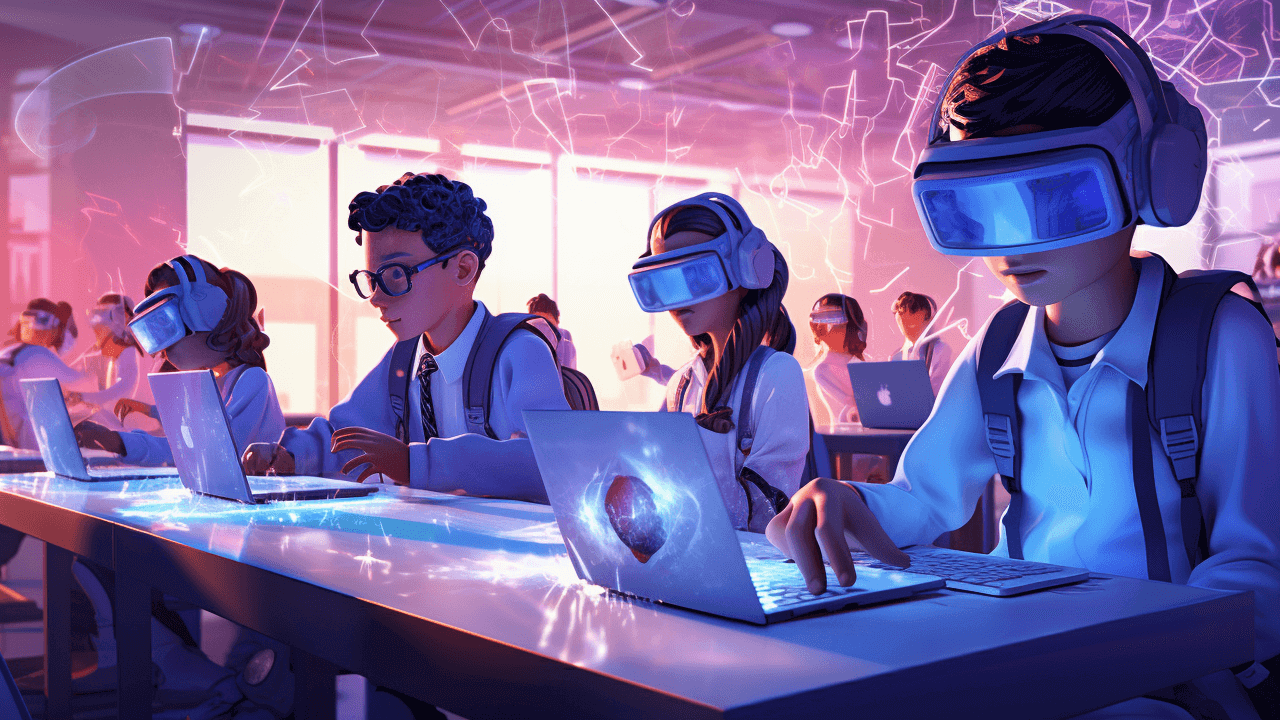
Experts note a pivot from purely virtual worlds to technologies that blend digital content seamlessly with the physical environment, with significant implications for fields like education.
WIN Media, Makassar, 31/1/2026 – The tech industry’s buzzword is changing. After years of intense hype surrounding the Metaverse—envisioned as a unified, immersive virtual world—momentum is perceptibly shifting towards a more pragmatic and integrated concept: Spatial Computing. This shift signals a move away from building separate digital realities and towards superimposing useful digital layers onto our existing physical world.
The decline in pure Metaverse fervor is attributed to several factors: the immense technological and bandwidth hurdles, the lack of a killer application that resonates with the masses, and the high cost of entry with specialized VR headsets. “The narrative is maturing. The industry is realizing that asking people to live in a headset is a tough sell. The greater value lies in enhancing our reality, not replacing it,” observed a tech strategist at a major consultancy.
This is where Spatial Computing takes center stage. It encompasses Augmented Reality (AR), Virtual Reality (VR), and other sensing technologies that allow machines to understand and interact with the 3D space around us. The applications are more immediate: from AR manuals that guide a technician through a repair to virtual furniture placed in your living room via a smartphone camera.
Harry Yulianto, an education technology expert, sees profound potential in this shift for learning. “The Metaverse promised virtual field trips to Mars, which is exciting but often logistically complex. Spatial Computing, however, can bring a beating heart hologram to a biology class today or overlay historical timelines onto a classroom wall. It’s about contextual, accessible enhancement of the real learning environment, not an escape from it,” Yulianto explained. He emphasizes that this technology supports interactive and experiential learning without isolating the student in a fully virtual pod.
The refocusing is evident in corporate strategies. Major players are rebranding divisions and redirecting R&D funds from building massive virtual platforms to developing advanced AR glasses, spatial mapping tools, and context-aware AI. The dream of a single, dominant Metaverse is giving way to a future of multiple, interoperable spatial applications that solve specific problems in healthcare, manufacturing, design, and education.
The message is clear: the future of digital interaction will be woven into the fabric of our physical world, not housed in a separate one.
Metaverse Kian Pudar? Fokus Industri Beralih ke “Spatial Computing”
Pakar mencatat pergeseran dari dunia virtual murni ke teknologi yang menyatukan konten digital dengan lingkungan fisik secara mulus, berdampak besar bagi bidang seperti pendidikan.
WIN Media, Makassar, 31/1/2026 – Kata kunci di industri teknologi sedang berubah. Setelah bertahun-tahun hiruk-pikuk seputar Metaverse—yang diimajinasikan sebagai dunia virtual imersif yang menyatu—momentum kini terasa bergeser ke konsep yang lebih pragmatis dan terintegrasi: Spatial Computing (Komputasi Spasial). Peralihan ini menandai langkah meninggalkan pembangunan realitas digital yang terpisah dan beralih ke penyematan lapisan digital yang berguna ke dunia fisik kita.
Meredanya euforia Metaverse murni disebabkan beberapa faktor: tantangan teknologi dan bandwidth yang sangat besar, kurangnya aplikasi andalan yang diterima massa, dan biaya masuk yang tinggi dengan headset VR khusus. “Narasi ini sedang matang. Industri menyadari bahwa meminta orang untuk ‘tinggal’ di dalam headset adalah hal yang sulit. Nilai yang lebih besar justru terletak pada peningkatan realitas kita, bukan penggantinya,” ujar seorang ahli strategi teknologi di konsultan ternama.
Di sinilah Spatial Computing mengambil peran utama. Konsep ini mencakup Augmented Reality (AR), Virtual Reality (VR), dan teknologi sensor lainnya yang memungkinkan mesin memahami dan berinteraksi dengan ruang 3D di sekitar kita. Aplikasinya lebih langsung: dari manual AR yang memandu teknisi melakukan perbaikan hingga perabot virtual yang ditempatkan di ruang tamu melalui kamera ponsel.
Harry Yulianto, pakar teknologi pendidikan, melihat potensi besar dalam pergeseran ini untuk pembelajaran. “Metaverse menjanjikan perjalanan virtual ke Mars, yang menarik tetapi seringkali kompleks secara logistik. Spatial Computing, di sisi lain, dapat membawa hologram jantung yang berdetak ke kelas biologi hari ini atau menampilkan garis waktu sejarah di dinding kelas. Ini tentang peningkatan kontekstual dan mudah diakses terhadap lingkungan belajar nyata, bukan pelarian darinya,” jelas Yulianto. Ia menekankan bahwa teknologi ini mendukung pembelajaran interaktif dan eksperiensial tanpa mengisolasi siswa dalam dunia virtual sepenuhnya.
Perubahan fokus ini terlihat dalam strategi korporat. Para pemain utama merebranding divisi dan mengalihkan dana R&D dari membangun platform virtual masif ke pengembangan kacamata AR canggih, alat pemetaan spasial, dan AI yang sadar konteks. Mimpi akan satu Metaverse dominan mulai tergantikan oleh masa depan dengan banyak aplikasi spasial yang dapat saling terhubung, masing-masing menyelesaikan masalah spesifik di bidang kesehatan, manufaktur, desain, dan pendidikan.
Pesan ini jelas: masa depan interaksi digital akan terjalin ke dalam kain realitas fisik kita, bukan berdiam di dunia yang terpisah.