
WIN Media, Makassar, 12/1/2026 – In the midst of a modern co-working space, Andika (22) is not writing his thesis. Instead, his fingers dance swiftly across the keyboard, completing the final project of an intensive 12-week coding bootcamp. After graduating high school, he chose not to pursue higher education—a decision once considered “unconventional” but now a serious consideration for many Gen Z individuals. “I saw my cousin who graduated with a Bachelor’s in Informatics still took a long time to find a job, having to intern first with low pay. I want to be directly skill-based, to work right away,” he states confidently.
Andika represents a growing phenomenon: the paradigm shift from academic degrees towards specific, job-ready skills. A recent survey by the talent platform Glints reveals that 65% of technology companies in Indonesia prioritize portfolios and real project experience over mere GPA or university reputation when recruiting for entry-level positions in the digital field.
The “War” Between Two Educational Paths
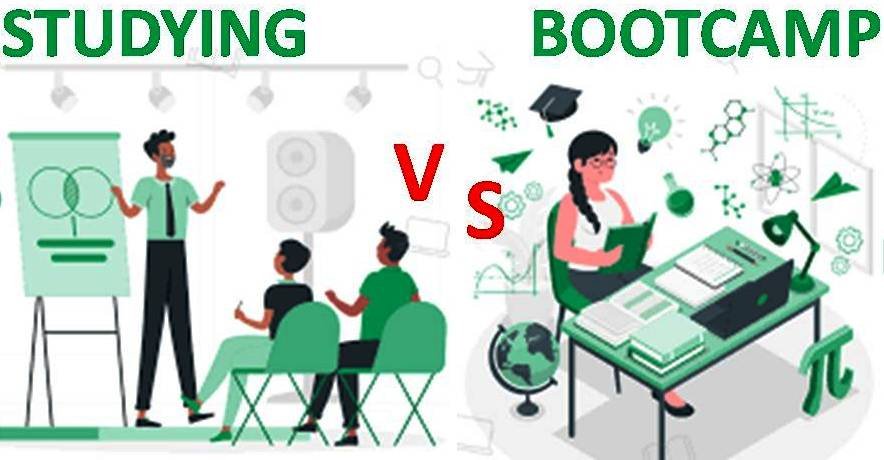
The battle between formal education (university) and intensive training (bootcamp/vocational) is heating up on various online forums like TikTok, YouTube, and Discord.
- The University Camp (Bachelor’s Degree): Offers a strong theoretical foundation, a wide alumni network, a state-recognized degree, and the development of soft skills and critical thinking over a longer period (3-4 years).
- The Bootcamp/Vocational Camp (6 months – 2 years): Sells the promise of time and cost efficiency. The curriculum is tightly designed according to current industry needs (industry-driven), employs project-based learning methods, and often offers job placement guarantees. Popular fields include full-stack developer, data science, digital marketing, and UI/UX design.
“The cost of a 3-month bootcamp is equivalent to one semester at a private university. But in those 3 months, I was directly taught the latest ‘hot’ programming language and built 4 projects for my portfolio,” explains Sari, a bootcamp graduate now working as a front-end developer at a startup.
Industry Response: “We Need Those Who Can Contribute Immediately”
Many startups and even corporate companies are beginning to open special recruitment channels for non-degree holders.
“For technical positions like software engineer, we more frequently conduct technical tests and review their GitHub. A degree is important, but it’s not everything. We need people who can solve problems with code, and often that comes from intensive practice at bootcamps,” says Putri, Head of HR at a fintech company in Jakarta.
However, she adds a critical note: “For strategic positions, leadership tracks, or R&D requiring deep analytical skills, a comprehensive formal education background still holds added value.”
Academic Perspective: “This Is Not a Competition, But a Choice”
Academics acknowledge this pressure. Several universities are now starting to collaborate with bootcamp providers or creating highly applicable elective courses.
“We cannot close our eyes. The world is changing fast. A conventional 4-year curriculum struggles to keep pace with the speed of technological change. The solution is hybrid: university to build logical and character foundations, bootcamps or certifications to sharpen the latest technical skills,” explains Harry Yulianto, an administrator at a higher education institution in Makassar.
Career experts emphasize that the choice heavily depends on long-term career goals and individual personality. “Bootcamp is a fast track into the job market. However, university equips you with lifelong learning abilities and a network that can become the ‘highway’ for your career 10 years down the line,” elaborates Indah, a career consultant.
Degree vs. Competence, or Degree and Competence?
The question is no longer “which is better?” but rather “which is more suitable for me and my goals?”. A bachelor’s degree remains an important calling card in many traditional sectors and for certain career levels. Meanwhile, bootcamps have become effective disruptors in highly dynamic fields like digital technology.
The future may not be about choosing one, but about building ‘layered education’. For example, attending university while taking a bootcamp on the side, or working after a bootcamp and then enrolling in an executive university program to deepen theoretical foundations and earn a degree. In the end, the industry is no longer just looking for university graduates or bootcamp graduates, but for adaptive and relevant problem solvers.
Dilema Siswa “Gen Z”: Pilih Kuliah atau Bootcamp? Lulusan Mana yang Lebih Dicari Industri?
WIN Media, Makassar, 12/1/2026 – Di tengah ruang co-working space yang modern, Andika (22) tidak sedang menyusun skripsi. Jari-jarinya justru menari cepat di atas keyboard, menyelesaikan tugas akhir coding bootcamp intensif selama 12 minggu. Setelah lulus SMA, ia memilih untuk tidak melanjutkan ke perguruan tinggi, sebuah keputusan yang dulu dianggap “nyeleneh”, namun kini menjadi pertimbangan serius bagi banyak Gen Z. “Saya lihat kakak sepupu yang lulus S1 Informatika masih lama dapat kerja, harus magang dulu dengan gaji kecil. Saya mau langsung skill-based, langsung kerja,” ujarnya yakin.
Andika mewakili fenomena yang semakin mengemuka: pergeseran paradigma dari gelar akademis menuju keterampilan spesifik (specific skills) yang langsung bisa dijual (job-ready). Survei terbaru dari platform talenta Glints menunjukkan bahwa 65% perusahaan teknologi di Indonesia lebih mempertimbangkan portofolio dan pengalaman proyek nyata dibandingkan sekadar IPK atau nama kampus saat merekrut untuk posisi pemula (entry-level) di bidang digital.
“Perang” Dua Jalur Pendidikan
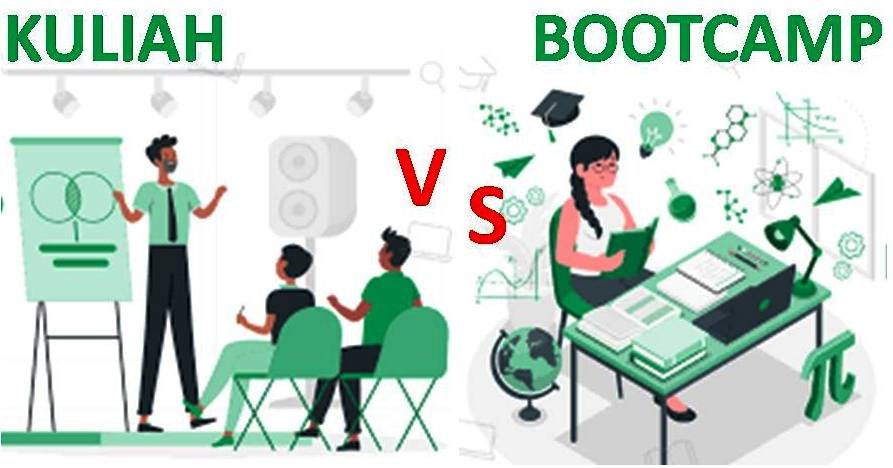
Pertarungan antara pendidikan formal (kuliah) dan pelatihan intensif (bootcamp/vokasi) memanas di berbagai forum online seperti TikTok, YouTube, dan Discord.
- Kubu Kuliah (Strata 1): Menawarkan fondasi teori yang kuat, jaringan alumni (alumni network) yang luas, gelar yang diakui negara, dan pembentukan soft skill serta pola pikir kritis (critical thinking) dalam waktu yang lebih panjang (3-4 tahun).
- Kubu Bootcamp/Vokasi (6 bulan – 2 tahun): Menjual janji efisiensi waktu dan biaya. Materi dirancang ketat sesuai kebutuhan pasar kerja terkini (industry-driven), metode project-based learning, dan garansi penyaluran kerja (job connector). Bidang yang populer antara lain full-stack developer, data science, digital marketing, dan UI/UX design.
“Biaya bootcamp 3 bulan setara dengan satu semester kuliah di swasta. Tapi dalam 3 bulan itu, saya langsung diajar bahasa pemrograman yang lagi ‘hot’ dan bikin 4 proyek untuk portofolio,” jelas Sari, lulusan bootcamp yang kini bekerja sebagai front-end developer di sebuah startup.
Respons Industri: “Kami Butuh yang Bisa Langsung Berkontribusi”
Banyak perusahaan rintisan (startups) dan bahkan perusahaan korporat mulai membuka jalur rekrutmen khusus bagi lulusan non-gelar. “Untuk posisi teknis seperti software engineer, kami lebih sering melakukan technical test dan melihat GitHub mereka. Gelar penting, tapi bukan segalanya. Kami butuh orang yang bisa solve problem dengan kode, dan seringnya itu datang dari praktik intensif di bootcamp,” ungkap Putri, Head of HR di sebuah perusahaan fintech di Jakarta.
Namun, ia menambahkan catatan kritis: “Untuk posisi strategis, leadership track, atau R&D yang membutuhkan kedalaman analisis, latar belakang pendidikan formal yang komprehensif masih menjadi nilai lebih.”
Pendapat Akademisi: “Ini Bukan Kompetisi, tapi Pilihan”
Pihak akademisi mengakui adanya tekanan ini. Beberapa kampus kini mulai berkolaborasi dengan penyelenggara bootcamp atau membuat mata kuliah pilihan yang sangat aplikatif.
“Kita tidak bisa menutup mata. Dunia berubah cepat. Kurikulum konvensional 4 tahun sulit mengejar kecepatan perubahan teknologi. Solusinya adalah hybrid: kuliah untuk membangun fondasi logika dan karakter, bootcamp atau sertifikasi untuk mengasah keterampilan teknis terbaru,” jelas Harry Yulianto, pimpinan sebuah perguruan tinggi di Makassar.
Pakar karir menekankan bahwa pilihan sangat bergantung pada tujuan karir jangka panjang dan kepribadian individu. “Bootcamp itu jalur cepat untuk masuk ke job market. Tapi, kuliah membekali Anda dengan kemampuan belajar sepanjang hayat (lifelong learning) dan jaringan yang bisa jadi ‘jalan tol’ karir Anda 10 tahun ke depan,” papar Indah, konsultan karir.
Gelar vs. Kompetensi, atau Gelar dan Kompetensi?
Pertanyaannya kini bukan lagi “mana yang lebih baik?” melainkan “mana yang lebih cocok untuk saya dan tujuan saya?”. Gelar sarjana tetap menjadi kartu nama penting di banyak sektor tradisional dan untuk jenjang karir tertentu. Sementara itu, bootcamp telah menjadi disruptor yang efektif di bidang-bidang yang sangat dinamis seperti teknologi digital. Masa depan mungkin bukan tentang memilih salah satu, tetapi tentang membangun ‘pendidikan berlapis’. Misalnya, mengambil kuliah sambil mengikuti bootcamp di sela-sela waktu, atau bekerja setelah bootcamp lalu mengambil kuliah kelas karyawan untuk memperdasi dasar teori dan memperoleh gelar. Pada akhirnya, industri tidak lagi hanya mencari lulusan kampus atau lulusan bootcamp, tetapi mencari pemecah masalah (problem solver) yang adaptif dan relevan.