

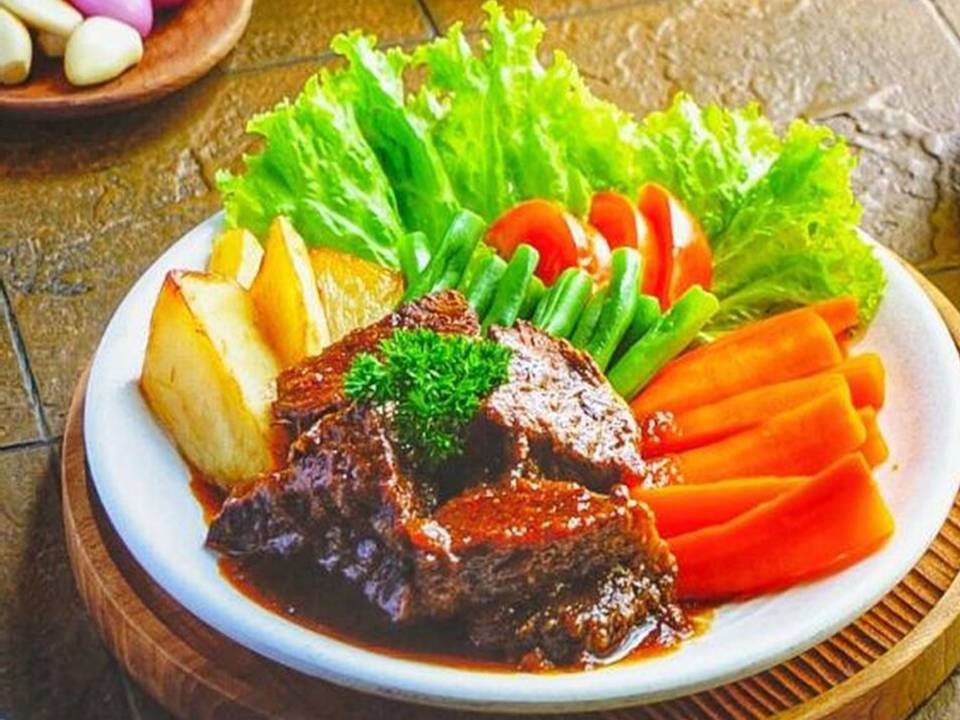
WIN Media, Surakarta, 23/3/2026 – In the city of Surakarta, rich in tradition, there is one dish that stands as tangible proof of the fusion of two great cultures: Javanese and European. Selat Solo, a dish that at first glance resembles a Western-style steak, is a masterpiece of acculturation born from the creativity of Javanese chefs in adapting European cuisine with local flavors. More than just food, Selat Solo is a historical mirror that records the meeting of two worlds in perfect harmony.
According to Awan Susanto, a culinary observer from Surakarta, Selat Solo is proof of local intelligence in responding to outside influences. “Selat Solo is not merely an imitation of European steak. It is a new interpretation born from local wisdom. Javanese chefs didn’t just imitate but transformed European dishes with spices and flavors familiar to the local palate. This is what makes Selat Solo so special,” said Awan.
Historical Footprints: From Dutch Dining Tables to People’s Cuisine
The history of Selat Solo cannot be separated from the Dutch colonial period in Surakarta. In the 19th century, when Dutch families lived in Solo, they brought European culinary traditions, including steak dishes. However, ingredients like barbecue sauce or European-style steak sauce were difficult to obtain. Native chefs working in Dutch households then creatively used local ingredients to create similar sauces.
“They used sweet soy sauce as a substitute for steak sauce, added local spices like nutmeg and pepper, and thickened the sauce with flour or potatoes. The result was the distinctive Selat Solo sauce—sweet, savory, and thick—different from European steak sauce which tends to be salty and spicy,” Awan explained.
The name “Selat” itself is believed to come from the Dutch word “slade” or “salade” referring to a soupy dish, or possibly from “selada” (salad) which typically accompanies this dish. Over time, this dish spread beyond Dutch circles and was adopted by the native population, especially among Javanese nobility and aristocrats.
The Philosophy of Acculturation: Harmony in Difference
Selat Solo is a perfect symbol of acculturation. On one hand, it maintains the basic structure of European dishes: meat pieces, boiled vegetables, and sauce. But on the other hand, it uses Javanese spices and flavors: sweet soy sauce, nutmeg, pepper, and other spices creating a distinctive sweet-savory taste.
“This teaches us about local wisdom in accepting outside influences. Javanese people didn’t reject foreign culture, but they also didn’t swallow it whole. They selected, filtered, and adapted according to local values. The result is something new, unique, and becomes a new identity. Selat Solo is a concrete example of how acculturation gives birth to creativity,” Awan explained.
The presentation of Selat Solo also reflects Javanese philosophy. Usually, this dish is served with rice or lontong (rice cake), not fried potatoes like European steak. The neatly arranged boiled vegetables like carrots, green beans, and potatoes reflect the Javanese values of neatness and beauty.
The Secret Behind Selat Solo’s Deliciousness
The deliciousness of Selat Solo lies in the balance of flavors. Its thick sauce must have a harmonious blend of sweet, savory, and slightly spicy. Spices like shallots, garlic, nutmeg, pepper, and sweet soy sauce are the main keys. The cooking process also requires patience—the meat is boiled for a long time until tender, and the sauce is cooked until perfectly thickened.
“Selat Solo teaches about patience and precision. It cannot be rushed. The meat must be tender, the sauce must have the right consistency, the vegetables must be cooked but not mushy. This is the same life philosophy—to achieve good results, we must go through a mature process,” Awan revealed.
Selat Solo in Solo’s Culinary Culture
Now, Selat Solo has become a culinary icon of Surakarta that every tourist must try. Many restaurants and eateries in Solo serve Selat Solo with generational recipes. Several legendary places like Selat Solo Mbak Lies on Jl. Dr. Sutomo, Selat Solo Nusukan, and Selat Solo Klodran are favorite destinations for culinary enthusiasts.
“Selat Solo is a people’s dish. From the Dutch environment, it descended to the nobility, then spread to the wider community. Now, all levels of society can enjoy it, from officials to ordinary people. This reflects the egalitarian values of Javanese society,” he concluded.
Selat Solo: Akulturasi Kuliner Jawa-Eropa Yang Menjadi Ikon Kota Bengawan
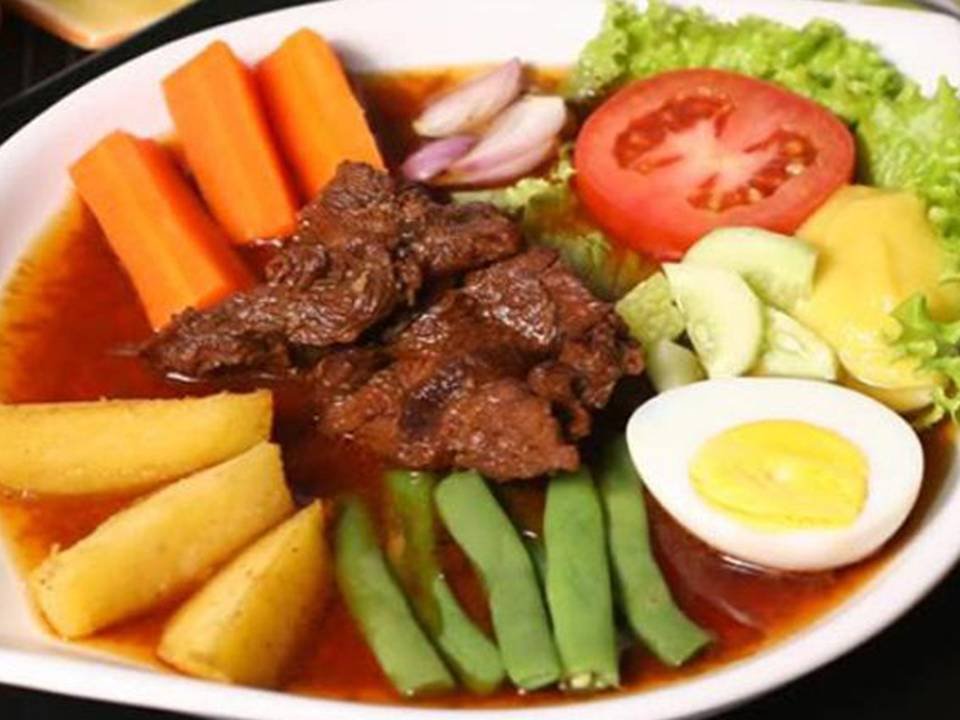
WIN Media, Surakarta, 23/3/2026 – Di Kota Surakarta yang kaya akan tradisi, ada satu hidangan yang menjadi bukti nyata perpaduan dua budaya besar: Jawa dan Eropa. Selat Solo, hidangan yang sekilas mirip steak ala Barat ini, adalah mahakarya akulturasi yang lahir dari kreativitas para koki Jawa dalam mengadaptasi masakan Eropa dengan cita rasa lokal. Lebih dari sekadar makanan, Selat Solo adalah cermin sejarah yang merekam pertemuan dua dunia dalam harmoni yang sempurna.
Menurut Awan Susanto, pemerhati kuliner dari Surakarta, Selat Solo adalah bukti kecerdasan lokal dalam merespons pengaruh luar. “Selat Solo bukan sekadar tiruan steak Eropa. Ia adalah interpretasi baru yang lahir dari kearifan lokal. Para koki Jawa tidak sekadar meniru, tetapi mentransformasi hidangan Eropa dengan bumbu dan cita rasa yang akrab di lidah masyarakat lokal. Inilah yang membuat Selat Solo begitu istimewa,” ujar Awan.
Jejak Sejarah: Dari Meja Makan Belanda ke Hidangan Rakyat
Sejarah Selat Solo tidak bisa dilepaskan dari masa kolonial Belanda di Surakarta. Pada abad ke-19, ketika keluarga-keluarga Belanda tinggal di Solo, mereka membawa tradisi kuliner Eropa, termasuk hidangan steak. Namun, bahan-bahan seperti saus barbeque atau saus steak ala Eropa sulit didapat. Para koki pribumi yang bekerja di rumah-rumah Belanda kemudian berkreasi dengan bahan lokal untuk menciptakan saus yang mirip.
“Mereka menggunakan kecap manis sebagai pengganti saus steak, menambahkan rempah-rempah lokal seperti pala dan merica, serta mengentalkan kuah dengan tepung atau kentang. Hasilnya adalah kuah khas Selat Solo yang manis, gurih, dan kental—berbeda dari saus steak Eropa yang cenderung asin dan pedas,” jelas Awan.
Nama “Selat” sendiri diyakini berasal dari bahasa Belanda “slade” atau “salade” yang merujuk pada hidangan berkuah, atau bisa juga dari “selada” (salad) yang biasanya menjadi pendamping hidangan ini. Seiring waktu, hidangan ini keluar dari lingkungan Belanda dan diadopsi oleh masyarakat pribumi, terutama di kalangan priyayi dan bangsawan Jawa.
Filosofi Akulturasi: Harmoni dalam Perbedaan
Selat Solo adalah simbol akulturasi yang sempurna. Di satu sisi, ia mempertahankan struktur dasar hidangan Eropa: potongan daging, sayuran rebus, dan kuah. Namun di sisi lain, ia menggunakan bumbu dan cita rasa Jawa: kecap manis, pala, merica, dan rempah lainnya yang menciptakan rasa manis gurih yang khas.
“Ini mengajarkan kita tentang kearifan lokal dalam menerima pengaruh luar. Masyarakat Jawa tidak menolak budaya asing, tetapi juga tidak menelan mentah-mentah. Mereka memilih, menyaring, dan mengadaptasi sesuai dengan nilai-nilai lokal. Hasilnya adalah sesuatu yang baru, unik, dan justru menjadi identitas baru. Selat Solo adalah contoh nyata bagaimana akulturasi melahirkan kreativitas,” papar Awan.
Penyajian Selat Solo juga mencerminkan filosofi Jawa. Biasanya, hidangan ini disajikan dengan nasi atau lontong, bukan kentang goreng seperti steak Eropa. Sayuran rebus seperti wortel, buncis, dan kentang disusun rapi, mencerminkan nilai kerapian dan keindahan dalam budaya Jawa.
Rahasia di Balik Kelezatan Selat Solo
Kelezatan Selat Solo terletak pada keseimbangan rasa. Kuahnya yang kental harus memiliki perpaduan manis, gurih, dan sedikit pedas yang harmonis. Bumbu-bumbu seperti bawang merah, bawang putih, pala, merica, dan kecap manis menjadi kunci utama. Proses memasaknya pun membutuhkan kesabaran—daging direbus lama hingga empuk, kuah dimasak hingga mengental sempurna.
“Selat Solo mengajarkan tentang kesabaran dan ketelitian. Tidak bisa terburu-buru. Daging harus empuk, kuah harus pas kekentalannya, sayuran harus matang tapi tidak hancur. Ini filosofi hidup yang sama—untuk mencapai hasil yang baik, kita harus melalui proses yang matang,” pungkasnya.