

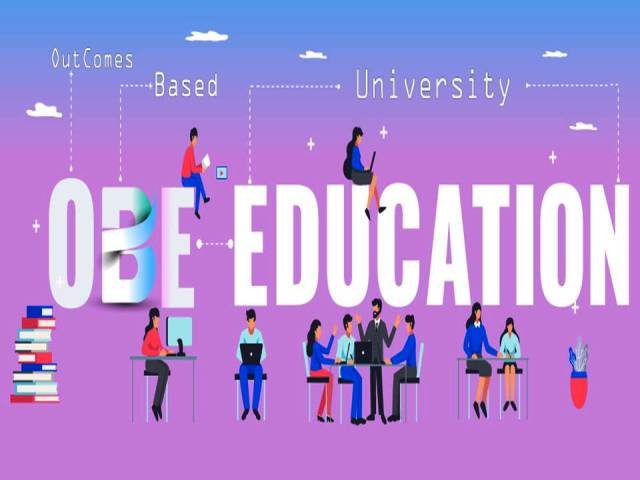
WIN Media, Makassar, 25/2/2026 – Every year, thousands of new graduates emerge from Indonesian universities. However, many of them find themselves “clueless” when entering the workforce. High GPAs and impressive diplomas on paper do not always translate into the competencies demanded by industry. This phenomenon poses a significant challenge for higher education.
Helmy Syamsuri, Vice Chairman I for Academic Affairs at STIE YPUP Makassar, asserts that it is time for universities to move beyond the old paradigm. “We can no longer be proud just of a thick curriculum or lecturers who are good at lecturing. What matters most now is: what can our students do after they graduate? This is the question answered by the OBE Curriculum,” she told.
STIE YPUP Makassar itself has been implementing the Outcome-Based Education (OBE) curriculum gradually. This step was taken to ensure that graduates are not only academically intelligent but also possess competencies relevant to the needs of the business and industrial world.
Here are four reasons why the OBE Curriculum is an urgent necessity, not just following a trend:
1. Addressing the Graduate Competency Gap
Helmy explains that the traditional approach has focused more on what material is taught, rather than what students can do after learning. “OBE flips our thinking. We start with the desired graduate profile, then design the entire learning process to achieve that profile. Every course must make a real contribution to the graduate’s learning outcomes,” she explained.
This approach aligns with research findings indicating that graduates often lack skills relevant to the workplace, and OBE has the potential to bridge this gap. At STIE YPUP, each study program is now required to formulate measurable Graduate Learning Outcomes (CPL) that are aligned with industry needs.
2. Demands of National and International Accreditation
The OBE curriculum is not just an option but has become a regulatory necessity. Permendikbudristek No. 53 of 2023 on Higher Education Quality Assurance mandates that universities focus on outcomes. National accreditation bodies like BAN-PT and LAM also now emphasize the achievement of learning outcomes.
“If a university wants to achieve superior accreditation, OBE is the path. International accreditations like AUN-QA or ABET even absolutely require OBE. This is no longer a trend, but an entry ticket to being recognized globally,” emphasized Helmy.
3. Adapting to Technological Disruption and the Workforce
The industrial revolution 4.0 and artificial intelligence have dramatically changed the employment landscape. The Future of Jobs Report notes that 44% of global skills will shift within the next five years. Professions that exist today may disappear, while new professions emerge.
“OBE provides flexibility for universities to adapt quickly. The curriculum is no longer rigid and difficult to change. We can respond to rapidly changing industry needs because what we pursue is outcomes, not just a list of course materials,” said Helmy.
4. Ensuring Measurable Graduate Quality
One of the main advantages of OBE is a sustainable quality assurance system. With OBE, every learning process is evaluated based on the achievement of outcomes. “We can detect early if there are courses or teaching methods that are ineffective. Improvements can be made immediately, without waiting until the end of the semester, let alone the end of the year,” explained Helmy.
OBE requires lecturers to transform from mere material deliverers into learning facilitators and designers. Students become the center of learning, actively building knowledge through project-based activities, case studies, and reflection.
Implementation Challenges
Despite its many benefits, Helmy acknowledges that OBE implementation is not without challenges. “The main obstacle is changing the mindset. Lecturers accustomed to teaching in the old way need time to adapt. Investment in information systems and training is also necessary,” she revealed. OBE success requires infrastructure support, student readiness, and the integration of academic values with measurable competencies.
STIE YPUP itself continues to conduct socialization and training for its lecturers. “We want to ensure that this transformation proceeds with a complete understanding, not just by replacing curriculum documents. OBE must become a new breath in our academic culture,” concluded Helmy.
Mengapa Kurikulum OBE Bukan Sekadar Tren, Tapi Kebutuhan Mendesak agar Lulusan Tak “Gagap” di Dunia Kerja
WIN Media, Makassar, 25/2/2026 – Setiap tahun, ribuan sarjana baru lulus dari perguruan tinggi Indonesia. Namun, tak sedikit dari mereka yang justru “gagap” saat memasuki dunia kerja. Ijazah dan nilai tinggi di atas kertas ternyata tidak selalu berbanding lurus dengan kompetensi yang dibutuhkan industri. Fenomena ini menjadi pekerjaan rumah besar bagi dunia pendidikan tinggi.
Helmy Syamsuri, Wakil Ketua 1 Bidang Akademik STIE YPUP Makassar, menegaskan bahwa sudah saatnya perguruan tinggi beranjak dari paradigma lama. “Kita tidak bisa lagi hanya bangga dengan kurikulum yang tebal atau dosen yang pintar berceramah. Yang terpenting sekarang adalah: setelah lulus, bisa apa mahasiswa kita? Pertanyaan inilah yang dijawab oleh Kurikulum OBE,” ujarnya.
STIE YPUP Makassar sendiri telah mengimplementasikan kurikulum berbasis Outcome-Based Education (OBE) secara bertahap. Langkah ini diambil untuk memastikan lulusan tidak hanya cerdas secara akademik, tetapi juga memiliki kompetensi yang relevan dengan kebutuhan dunia usaha dan industri.
Berikut empat alasan mengapa Kurikulum OBE menjadi kebutuhan mendesak, bukan sekadar ikut-ikutan tren:
1. Menjawab Kesenjangan Kompetensi Lulusan
Helmy menjelaskan bahwa pendekatan tradisional selama ini lebih berfokus pada materi apa yang diajarkan, bukan pada apa yang bisa dilakukan mahasiswa setelah belajar. “OBE membalik cara berpikir kita. Kami mulai dari profil lulusan yang diinginkan, lalu merancang seluruh proses pembelajaran untuk mencapai profil itu. Setiap mata kuliah harus berkontribusi nyata terhadap capaian pembelajaran lulusan,” jelasnya.
Pendekatan ini sejalan dengan temuan penelitian bahwa lulusan sering kekurangan keterampilan yang relevan dengan dunia kerja, dan OBE berpotensi menjembatani kesenjangan tersebut. Di STIE YPUP, setiap program studi kini diwajibkan merumuskan Capaian Pembelajaran Lulusan (CPL) yang terukur dan selaras dengan kebutuhan industri.
2. Tuntutan Akreditasi Nasional dan Internasional
Kurikulum OBE bukan sekadar pilihan, tetapi sudah menjadi keharusan regulasi. Permendikbudristek No. 53 Tahun 2023 tentang Penjaminan Mutu Pendidikan Tinggi mengamanatkan perguruan tinggi untuk berorientasi pada luaran. Lembaga akreditasi nasional seperti BAN-PT dan LAM juga kini menekankan pada pemenuhan capaian pembelajaran.
“Jika kampus ingin meraih akreditasi unggul, OBE adalah jalannya. Akreditasi internasional seperti AUN-QA atau ABET bahkan mewajibkan OBE secara mutlak. Ini bukan lagi tren, tapi tiket masuk untuk diakui di tingkat global,” tegas Helmy.
3. Adaptasi terhadap Disrupsi Teknologi dan Dunia Kerja
Revolusi industri 4.0 dan kecerdasan buatan telah mengubah lanskap ketenagakerjaan secara dramatis. Laporan The Future of Jobs Report mencatat bahwa 44% keterampilan global akan bergeser dalam lima tahun ke depan. Profesi yang ada hari ini mungkin akan hilang, sementara profesi baru bermunculan.
“OBE memberi fleksibilitas bagi kampus untuk cepat beradaptasi. Kurikulum tidak lagi kaku dan sulit diubah. Kami bisa merespons kebutuhan industri yang berubah dengan cepat, karena yang kami kejar adalah capaian, bukan sekadar daftar materi kuliah,” ujar Helmy.
4. Menjamin Mutu Lulusan secara Terukur
Salah satu keunggulan utama OBE adalah sistem penjaminan mutu yang berkelanjutan. Dengan OBE, setiap proses pembelajaran dievaluasi berdasarkan ketercapaian luaran. “Kami bisa mendeteksi dini jika ada mata kuliah atau metode pengajaran yang tidak efektif. Perbaikan bisa segera dilakukan, tidak menunggu akhir semester apalagi akhir tahun,” jelas Helmy.
OBE menuntut dosen bertransformasi dari sekadar penyampai materi menjadi fasilitator dan desainer pembelajaran. Mahasiswa menjadi pusat pembelajaran, aktif membangun pengetahuan melalui kegiatan berbasis proyek, studi kasus, dan refleksi.
Tantangan Implementasi
Meski membawa banyak manfaat, Helmy mengakui bahwa implementasi OBE tidak tanpa tantangan. “Kendala utama adalah perubahan mindset. Dosen yang terbiasa mengajar dengan cara lama perlu waktu untuk beradaptasi. Juga perlu investasi dalam sistem informasi dan pelatihan,” ungkapnya. Keberhasilan OBE membutuhkan dukungan infrastruktur, kesiapan mahasiswa, dan integrasi nilai-nilai keilmuan dengan kompetensi terukur.
STIE YPUP sendiri terus melakukan sosialisasi dan pelatihan bagi para dosen. “Kami ingin memastikan bahwa transformasi ini berjalan dengan pemahaman yang utuh, bukan sekadar mengganti dokumen kurikulum. OBE harus menjadi napas baru dalam budaya akademik kita,” pungkas Helmy.