
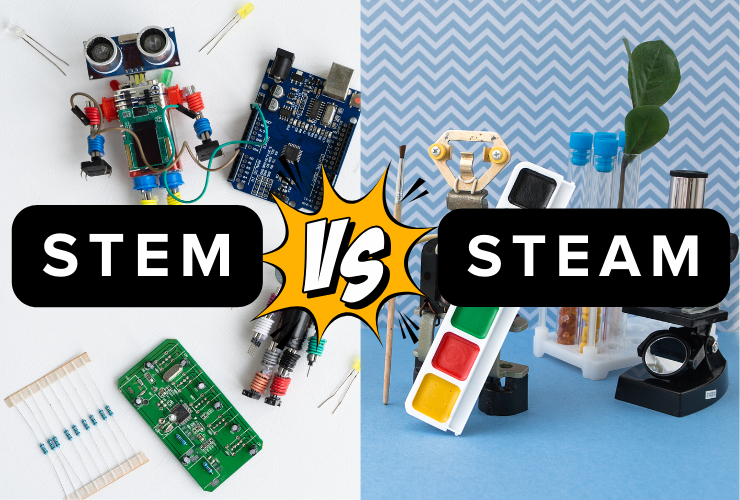
WIN Media, Makassar, 2/2/2026 – The debate between the STEM (Science, Technology, Engineering, Math) and STEAM (STEM + Arts) educational approaches continues to intensify, particularly in responding to the demands of the future job market.
The core question remains: is pure technical prowess (STEM) sufficient, or does it need to be balanced with creativity and arts (STEAM) to create a truly resilient workforce?
Proponents of STEM argue that a strong foundation in science and technology is key to filling jobs in digital fields, engineering, and data. Meanwhile, STEAM advocates believe that true innovation is born from the convergence of technical skills and creative thinking, design, and empathy.
Harry Yulianto, an Educational Technology Expert from STIE YPUP Makassar, offers a reconciliatory perspective. “This is not about right or wrong, but about completeness and context. STEM provides the technical ‘muscle’—the ability to calculate, program, and analyze data. Meanwhile, the Arts in STEAM provide the ‘soul’—the creativity to innovate, storytelling skills for presentation, and empathy to design human-centered solutions,” he explained.
Harry emphasized that the future job market, filled with automation and artificial intelligence, will increasingly value the human skills strengthened by the arts. “AI can write code or analyze markets, but AI struggles to generate truly revolutionary product ideas, craft compelling narratives, or understand nuanced customer needs. This is where graduates with a STEAM approach, trained in lateral thinking, have an irreplaceable added value,” he elaborated.
However, he cautioned that the addition of arts must not be merely superficial. “The integration of arts must be authentic. It’s not just about drawing a poster after a physics lesson, but using design principles to create intuitive user interfaces (UI/UX), or employing drama techniques for business negotiation simulations. The goal is to form T-shaped professionals: deep in one technical field (the vertical STEM stem), yet capable of broad collaboration and communication (the horizontal Arts bar).”
Harry believes the world no longer needs a battle of dichotomies, but a synthesis. “The job market most needs engineers who understand aesthetics and ethics, and artists who are technologically literate. Our education must move towards an integrated approach that produces whole professionals, not merely technical ones.”
STEM vs. STEAM: Mana yang Lebih Siap untuk Pasar Kerja?
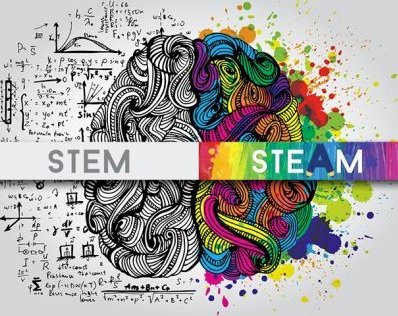
WIN Media, Makassar, 2/2/2026 – Perdebatan antara pendekatan pendidikan STEM (Science, Technology, Engineering, Math) dan STEAM (STEM + Arts) terus memanas, terutama dalam menyikapi tuntutan pasar kerja masa depan.
Pertanyaan utamanya: apakah keunggulan teknis murni (STEM) cukup, ataukah perlu diimbangi dengan kreativitas dan seni (STEAM) untuk menciptakan tenaga kerja yang benar-benar tangguh?
Pendukung STEM berargumen bahwa fondasi kuat dalam sains dan teknologi adalah kunci untuk mengisi lapangan kerja di bidang digital, rekayasa, dan data. Sementara pihak STEAM meyakini bahwa inovasi sejati lahir dari konvergensi antara kemampuan teknis dan pemikiran kreatif, desain, serta empati.
Harry Yulianto, Pakar Teknologi Pendidikan dari STIE YPUP Makassar, menawarkan perspektif yang mendamaikan. “Ini bukan soal salah atau benar, melainkan soal kelengkapan dan konteks. STEM memberikan ‘otot’ teknis—kemampuan menghitung, memprogram, dan menganalisis data. Sementara seni (Arts) dalam STEAM memberikan ‘jiwa’—yaitu kreativitas untuk berinovasi, kemampuan bercerita (storytelling) untuk presentasi, dan empati untuk merancang solusi yang berpusat pada manusia (human-centered design),” jelasnya.
Harry menekankan bahwa pasar kerja masa depan, yang dipenuhi otomasi dan kecerdasan buatan, justru semakin menghargai keterampilan manusiawi (human skills) yang diperkuat oleh seni. “AI bisa menulis kode atau menganalisis pasar, tetapi AI kesulitan untuk menghasilkan ide produk yang benar-benar revolusioner, membangun narasi yang memikat, atau memahami nuansa kebutuhan pelanggan. Di sinilah lulusan dengan pendekatan STEAM, yang terlatih berpikir lateral, memiliki nilai tambah yang tak tergantikan,” paparnya.
Namun, dia mengingatkan agar penambahan unsur seni tidak boleh sekadar tempelan. “Integrasi seni harus autentik. Bukan sekadar menggambar poster setelah belajar fisika, tetapi menggunakan prinsip desain untuk membuat antarmuka pengguna (UI/UX) yang intuitif, atau menggunakan teknik drama untuk simulasi negosiasi bisnis. Tujuannya adalah membentuk T-shaped professional: mendalam di satu bidang teknis (batang vertikal STEM), namun mampu berkolaborasi dan berkomunikasi secara luas (batang horizontal Seni).”
Menurut Harry, dunia tidak lagi memerlukan pertarungan dikotomi, tetapi sintesis. “Pasar kerja paling membutuhkan insinyur yang paham estetika dan etika, maupun seniman yang melek teknologi. Pendidikan kita harus bergerak menuju pendekatan terintegrasi yang menghasilkan profesional yang utuh, bukan sekadar teknis.”